
Bonsai Care
- Details
- Category: Conifers
Development Potting:
Develop Sekka Hinoki in low unglazed pots (e.g. Japanese terracotta pots)
Repot Sekka Hinoki every two to four years, preferably around May, when the tree shows signs of new growth. An alternative is early fall, when temperatures drop and there is sufficient time for the roots to establish themselves in preparation for winter (6–8 weeks).
Never completely expose the roots. Leave enough of the root ball and the microrhiza at the base of the tree.
For the potting mix, we recommend 3 parts Akadama, 1 part pumice, and 1 part lava rock.
After repotting, place the tree in a bright spot that is not too dry, and protect it from strong winds and frost.
Overwintering:
Try to overwinter the Sekka Hinoki in a frost free place. The trees that have overwintered free of frost will grow out faster and ealier than the ones that have been in frosty conditions.
- Details
- Category: Bonsai Care
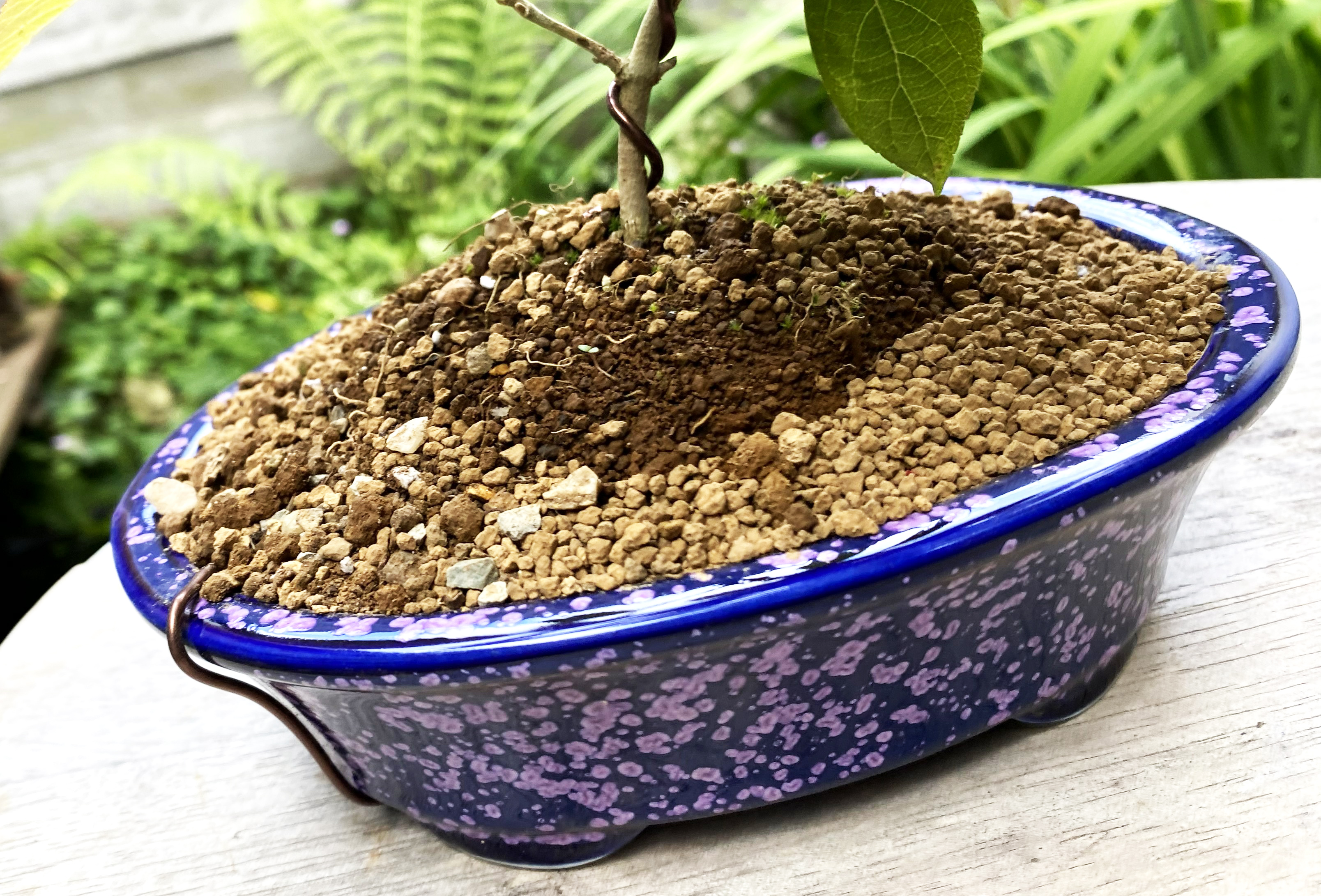
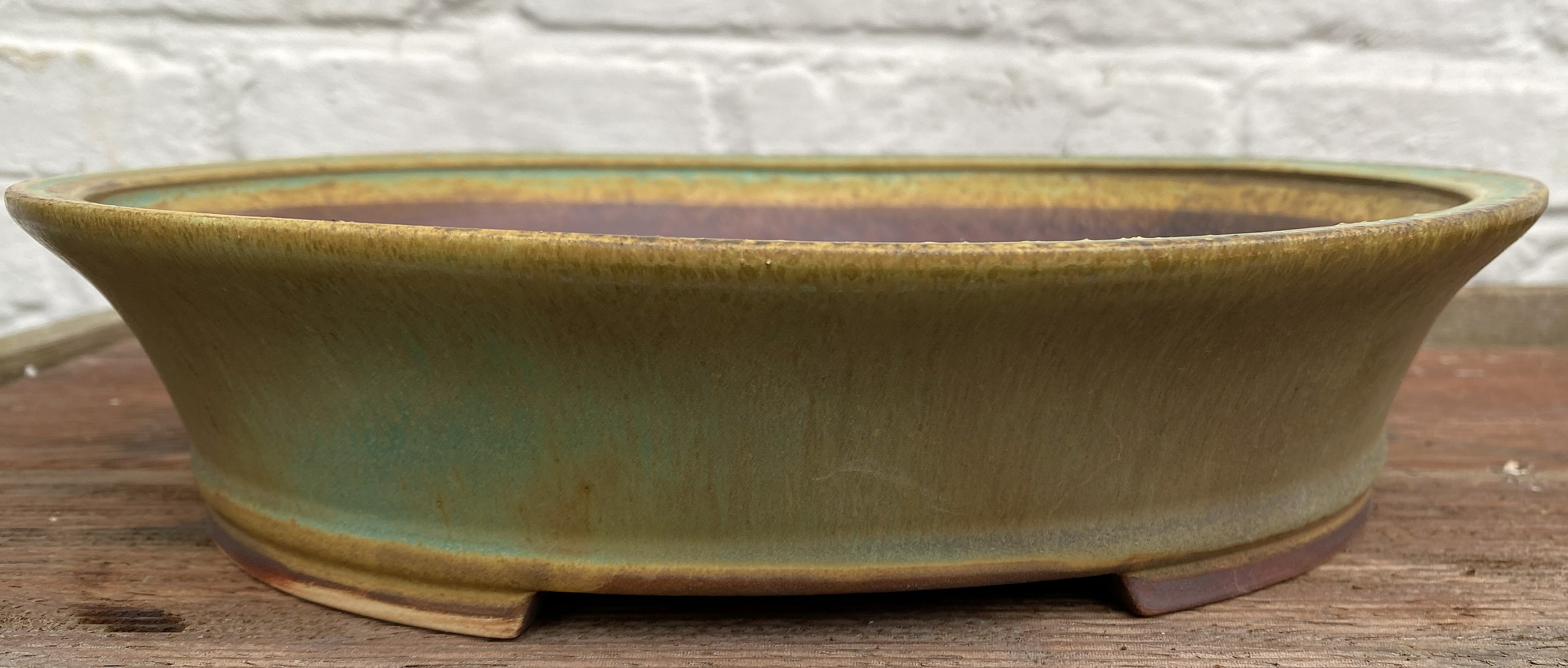
I am not going to bore you with my personal views on bonsai pottery. So I keep it brief and point you to the references that are meaningful. This is by far the most insightful YouTube I watched about quality of clay and glaze to date:
https://youtu.be/KgsoSudK14Q?si=e_wFv5O3SuOzxpIQ
Are you contemplating to baking boinsai pots yourself? NaoTokutake, a reknowned American potter recommends digitalfire.com and you will figure it out.
- Details
- Category: Pines
Progression pics of my shuhin japanese white pine progres pictures (25 cm)
- Don't decandle.
- Don't pull needles. If you want to reduce needles, you cut them off very short with scissors.
- Needles only last for two years. Old needles will yellow and turn brown in the fall, and they can be knocked off very easily then.
They grow extremely slowly. Know that when you prune, that foliage you remove may take a decade to grow back. - They are reluctant back budders. Therefore treasure every twig that is close to the trunk.
- They prefer to be kept dryer than Japanese Black Pine.
- Expect to wait about 25 to 30 years for the smooth gray bark to get rough.
- This tree is susceptible to wind damage.
Subcategories
|
|
Comments