
Bonsai Care
- Details
- Category: Bonsai Care
Trees grow from extracting the carbon they find in the 0.04% CO² in our air. Not from the ground, not from the water they find in there. They break apart the carbon from the air and release the oxygen for us to breathe. The carbon is converted to glucose, then to cellulose and finally into wood itself.
That is why trees thrive in pots: they only need ground to anchor their roots and extract additional building blocks. This is why growing trees is such a slow process.
- Details
- Category: Bonsai Care
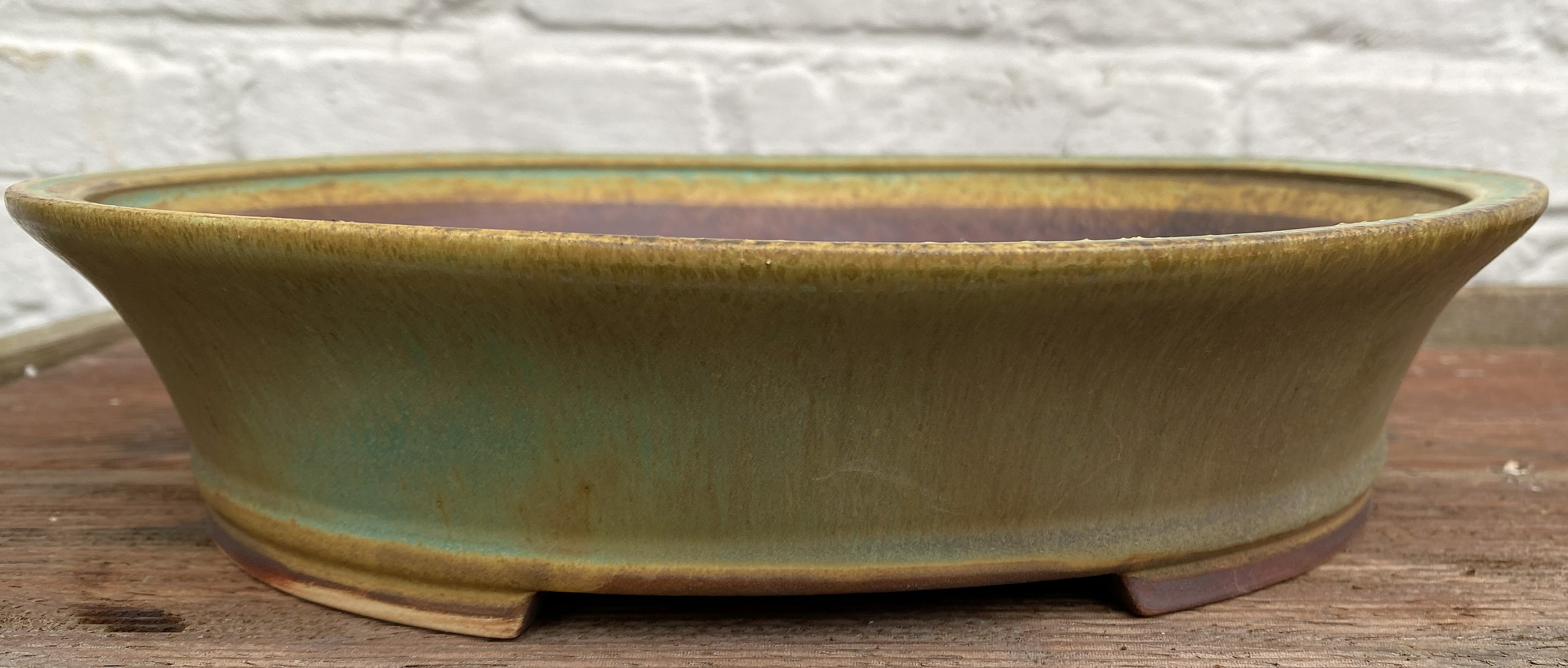
I am not going to bore you with my personal views on bonsai pottery. So I keep it brief and point you to the references that are meaningful. This is by far the most insightful YouTube I watched about quality of clay and glaze to date:
https://youtu.be/KgsoSudK14Q?si=e_wFv5O3SuOzxpIQ
Are you contemplating to baking boinsai pots yourself? NaoTokutake, a reknowned American potter recommends digitalfire.com and you will figure it out.
- Details
- Category: Other Deciduous Bonsai
Do not fertilize in spring until the leaves have grown out.
One thing I learned very quickly is to never fertilize any deciduous tree until the leaves have flushed out in spring. The reason for that is very simple: as we want internodes to be as short as possible and have a tight ramification on the tree, fertilizing in spring - especially with high nitrogen fertilizers- would push the tree to produce longer internodes. Having too much space between each leaf is is exactly that which we want to avoid. The second problem is that high nitrogen fertilizers stimulate the bonsai tree to produce much larger leaves. That too is not on our want-list.
Wiring and styling flowering apcricot trees is typically done in early spring when the leaves have flushed out and hardened off. It is the only time of the year that the branches are very flexible and will not break off. Don't try to wire at other times of the year, your branches are guaranteed to snap when you do. Use a slightly tighter pitch then 45° when wiring because of that brittleness of apricot branches. Better use a thinner wire and double up, rather than using a thick wire.
YouTubes
by Eisei-en (Bjorn Bjorholm) Defoliating Flowering Apricot Bonsai
- Details
- Category: Conifers
Development Potting:
Develop Sekka Hinoki in low unglazed pots (e.g. Japanese terracotta pots)
Overwintering:
Try to overwinter the Sekka Hinoki in a frost free place. The trees that have overwintered free of frost will grow out faster and ealier than the ones that have been in frosty conditions.
Comments